

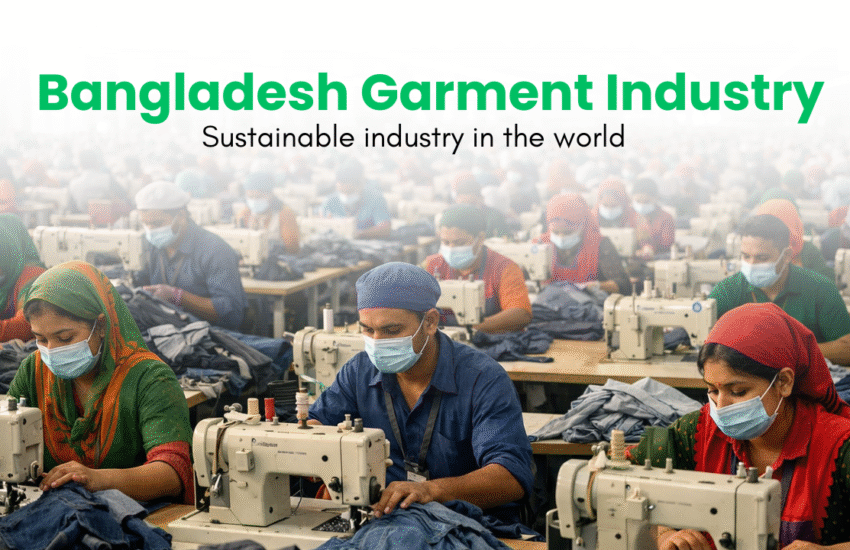
Bangladesh’s apparel industry has emerged as a powerhouse in the global textile market. This sector is not only one of the largest contributors to the country’s economy but also a vital employment generator. The country’s apparel sector, built on a foundation of low labor costs and a robust export-oriented framework, has managed to secure its place as one of the world’s largest garment exporters.
In this article, we will delve into the key aspects of Bangladesh’s apparel industry, exploring its growth trajectory, challenges, and future potential. The discussion will also include the impact of international standards, sustainability practices, and the rise of digital transformation in manufacturing.
The Rise of Bangladesh’s Apparel Industry
Bangladesh’s apparel industry has undergone a remarkable transformation since its early days in the 1980s. Today, it stands as the second-largest garment exporter in the world, just behind China. The industry’s rapid growth has been driven by a combination of favorable factors, including low labor costs, a large labor force, and a strong network of garment manufacturers.
Key Statistics:
- Apparel Exports: Bangladesh’s apparel sector accounts for approximately 80% of the country’s total export earnings.
- Global Rank: It is the second-largest exporter of ready-made garments, with a share of about 6.4% of the global market.
- Employment: The apparel sector provides employment to over 4 million people, with the majority being women.
These statistics highlight the significance of the apparel industry in Bangladesh’s economy. The country’s success in this field can be attributed to the ability of manufacturers to provide low-cost production while maintaining acceptable quality standards.
Key Players and Export Markets
The Bangladesh apparel industry comprises numerous small, medium, and large-scale manufacturers. Some of the most notable Top 10 garment industries in Bangladesh include. These companies have established themselves as major players both in domestic and international markets.

The primary export markets for Bangladesh’s apparel products are the United States, European Union, and Canada. Among these, the European Union and the United States remain the largest buyers of Bangladesh’s garments, contributing significantly to the industry’s growth.
Top Export Destinations:
- United States: Leading buyer of Bangladeshi apparel.
- Germany: Key player within the European Union.
- United Kingdom: Major import market for Bangladesh’s clothing.
- France: Another significant market within Europe.
Bangladesh’s strategic positioning, both in terms of geography and trade agreements, such as the Generalized System of Preferences (GSP) offered by the EU and the Everything But Arms (EBA) scheme, has helped the country penetrate these lucrative markets with ease.
Factors Driving Growth
Several factors have contributed to the tremendous growth of Bangladesh’s apparel sector over the years:
1. Low Labor Costs
Bangladesh offers some of the lowest labor costs in the world, making it an attractive destination for global brands looking to cut manufacturing costs. Labor costs in Bangladesh are a fraction of those in other major exporting nations like China and India, giving the country a competitive edge in producing affordable garments.
2. Skilled Workforce
Despite the low wages, the workforce in Bangladesh is known for its skills and commitment to quality. With a high concentration of garment workers, particularly women, the industry has developed a strong labor force that can handle everything from basic stitching to complex garment finishing.
3. Proximity to Raw Materials
Bangladesh is well-positioned in terms of access to raw materials. The country has a robust textile industry that supplies a large portion of the fabric required for garment manufacturing. Moreover, the country has been developing its textile infrastructure, with a strong presence of spinning mills and weaving factories.
4. Strong Government Support
The Bangladeshi government has played a crucial role in supporting the growth of the apparel industry. Through policies such as tax incentives, subsidies, and the establishment of export processing zones (EPZs), the government has made it easier for manufacturers to thrive. Furthermore, the government’s commitment to upgrading the country’s infrastructure, including ports and roads, has facilitated the movement of goods to international markets.
5. International Collaborations
Bangladesh’s apparel manufacturers have established collaborations with global brands, further elevating the country’s profile in the international market. Partnerships with companies like H&M, Zara, Walmart, and Target have opened doors for Bangladeshi apparel producers to supply to some of the most renowned retail chains.
Sustainability in Bangladesh’s Apparel Industry
Sustainability has become an increasingly important aspect of Bangladesh’s apparel sector. With global awareness of environmental concerns, international buyers are now placing more emphasis on sourcing garments from eco-friendly and ethical suppliers.
Key Sustainable Practices:
- Green Manufacturing: Many garment factories in Bangladesh are adopting green technologies, such as energy-efficient machinery and water-saving practices.
- Fair Labor Practices: While the sector has faced criticism in the past for poor working conditions, significant improvements have been made over the years. Initiatives like the Accord on Fire and Building Safety and Alliance for Bangladesh Worker Safety have helped ensure better working conditions.
- Recycling and Waste Reduction: There has been an increased push toward reducing textile waste and using recycled materials in garment production.
In recent years, several companies have also made strides toward producing sustainable clothing lines, using eco-friendly fabrics like organic cotton, bamboo, and recycled polyester. The industry is still evolving, but these practices point to a shift in the right direction.
Challenges Faced by Bangladesh’s Apparel Industry
Despite its growth, the Bangladesh apparel industry faces several challenges that must be addressed to maintain its competitive edge:
1. Worker Safety and Rights
Worker safety has been a significant issue in Bangladesh’s apparel sector. Tragic incidents, such as the Rana Plaza disaster in 2013, have highlighted the need for greater safety measures. Although improvements have been made, including better building standards and training programs, worker safety remains a concern.
2. Competition from Other Low-Cost Countries
The low-cost advantage of Bangladesh’s apparel industry is being increasingly threatened by other countries such as Vietnam, Cambodia, and Myanmar, which are also capitalizing on cheap labor. As these countries improve their infrastructure and production capabilities, Bangladesh faces mounting competition.
3. Compliance with International Standards
Meeting international quality and compliance standards can be challenging for some manufacturers in Bangladesh. Global buyers now require adherence to stringent environmental, social, and governance (ESG) standards, and some small and medium-sized enterprises (SMEs) may struggle to keep up with these demands.
4. Infrastructure and Energy Shortages
While Bangladesh has made progress in improving its infrastructure, the country still faces challenges related to energy shortages, transportation inefficiencies, and port congestion. These issues can cause delays in delivery times, affecting the competitiveness of Bangladeshi apparel in the global market.
The Future of Bangladesh’s Apparel Industry
Looking ahead, Bangladesh’s apparel industry is expected to continue growing, albeit at a more moderate pace. The sector is diversifying, with an increasing focus on high-value-added products and sustainable fashion. The government and private sector are working together to address challenges and build a more resilient supply chain.
Emerging Trends:
- Digital Transformation: The use of technology is increasing in garment manufacturing. Automation, artificial intelligence (AI), and the Internet of Things (IoT) are expected to play a significant role in enhancing production efficiency and reducing costs.
- Diversification into Non-Apparel Products: Some manufacturers are diversifying into products beyond traditional garments, such as home textiles, footwear, and accessories.
- Green and Circular Fashion: As consumer demand for sustainable products grows, Bangladesh’s apparel sector is embracing green manufacturing processes and circular fashion models.
Government Initiatives:
The government has set ambitious goals for the apparel industry, including increasing the sector’s contribution to GDP and further boosting exports. Initiatives such as the Textile Vision 2030 aim to modernize the sector and make it more globally competitive.
Conclusion
Bangladesh’s apparel industry stands as a model of growth and resilience in the global textile market. Despite facing several challenges, the sector has managed to maintain its position as a leading exporter of garments. Moving forward, the industry must continue to adapt to changing market demands, focus on sustainability, and invest in technology to stay competitive.
With its continued focus on improving worker welfare, meeting international standards, and embracing innovation, Bangladesh’s apparel industry is poised for a bright future on the global stage.
Related Blogs:
- How Digital Marketing helps buying house in Bangladesh
- How to start Digital Marketing for Textile Industry
- Top 10 Garments in Bangladesh
- How blockchain Integration in Textile and Garments Factory to ensures Sustainability
Table: Key Export Destinations for Bangladesh’s Apparel
| Export Destination | Percentage of Total Exports | Notable Buyers |
| United States | 22% | Walmart, Target |
| European Union | 17% | H&M, Zara |
| United Kingdom | 12% | Marks & Spencer |
| Germany | 8% | Lidl, Aldi |
| Canada | 6% | Hudson’s Bay |
This table highlights the importance of key international markets and the significant buyers contributing to the growth of Bangladesh’s apparel industry.
